Datasheet · JB-2026 · Rev. 4

Julien Bonnet
Full-Stack Developer & Technical Lead Occitanie, France · Nîmes / Montpellier
Two fronts, one standard: full-stack web, with the architecture of Veliko, a B2B social platform targeting 100,000 concurrent users; and local AI, from self-hosted LLMs to image, video and 3D generation on my own hardware. Dual hardware and software culture, from soldering iron to reverse proxy.
- concurrent load target, Veliko V2
- 100k users
- measured throughput on the homelab
- 7 Gbps
Built, measured, in production
A selection of personal and client projects. Each entry states what actually runs, not what is planned.
Flagship project · current role
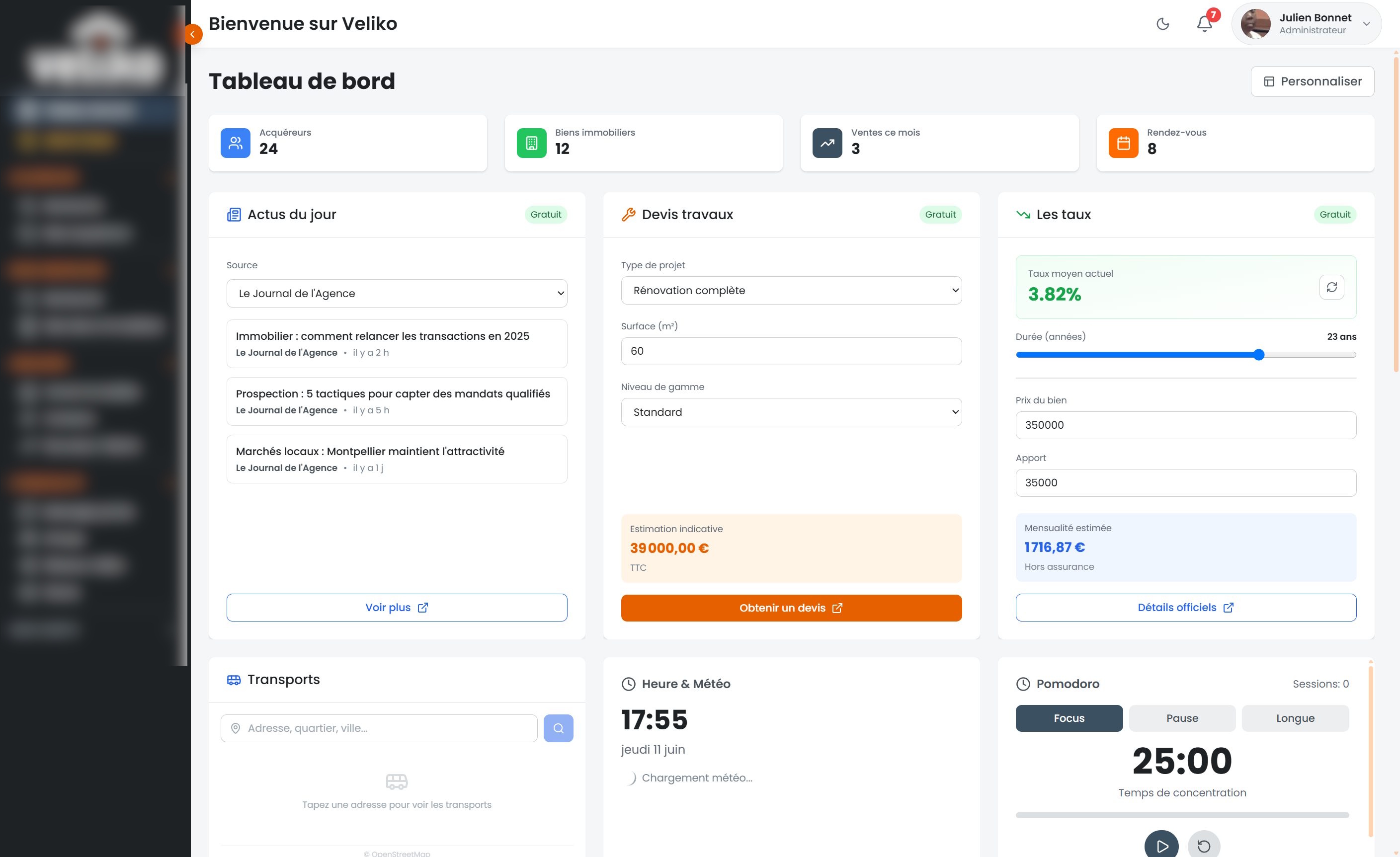
Veliko
B2B social network for real estate: feed, groups, short videos, events, buyer-property matching. Technical lead: FastAPI backend (130+ endpoints), React/TypeScript front end, dedicated infrastructure.
100k users targeted · V2 09/2026
- Robotics and embedded
ESP32 holonomic robot
Three wheels at 120 degrees, inverse kinematics in MicroPython, three H-bridges, state-driven LED animations. The web server runs on the ESP32 itself: JSON API and an animated HTML dashboard polled every 100 ms.
web dashboard embedded on the microcontroller
- Hardened self-hosting
Self-hosted CV server
Flask platform serving my CV: SSL/TLS, real-time monitoring, notifications. Continuously in production on the homelab since 2024.
in production since 2024
Source code ↗ - First real client
Montarnaud Handball Club
The club website built end to end: full-stack development, socket and email hardening (SPF, DKIM, DMARC), hosting and maintenance, later image caching and real-time monitoring.
real client · site in production
- Applied DevOps
CI/CD pipelines
Complete integration and deployment chains: Ansible, Packer, GitHub Actions, SonarQube, k6 load testing, Kubernetes and Helm. The Master's project target: Veliko's pipeline, already dockerized on dedicated infrastructure.
quality gates · load testing · real deployment
Archives 2021 → 2025
Projects from the learning years, kept for traceability: from the BTS electronics bench to the first web and desktop applications.
-
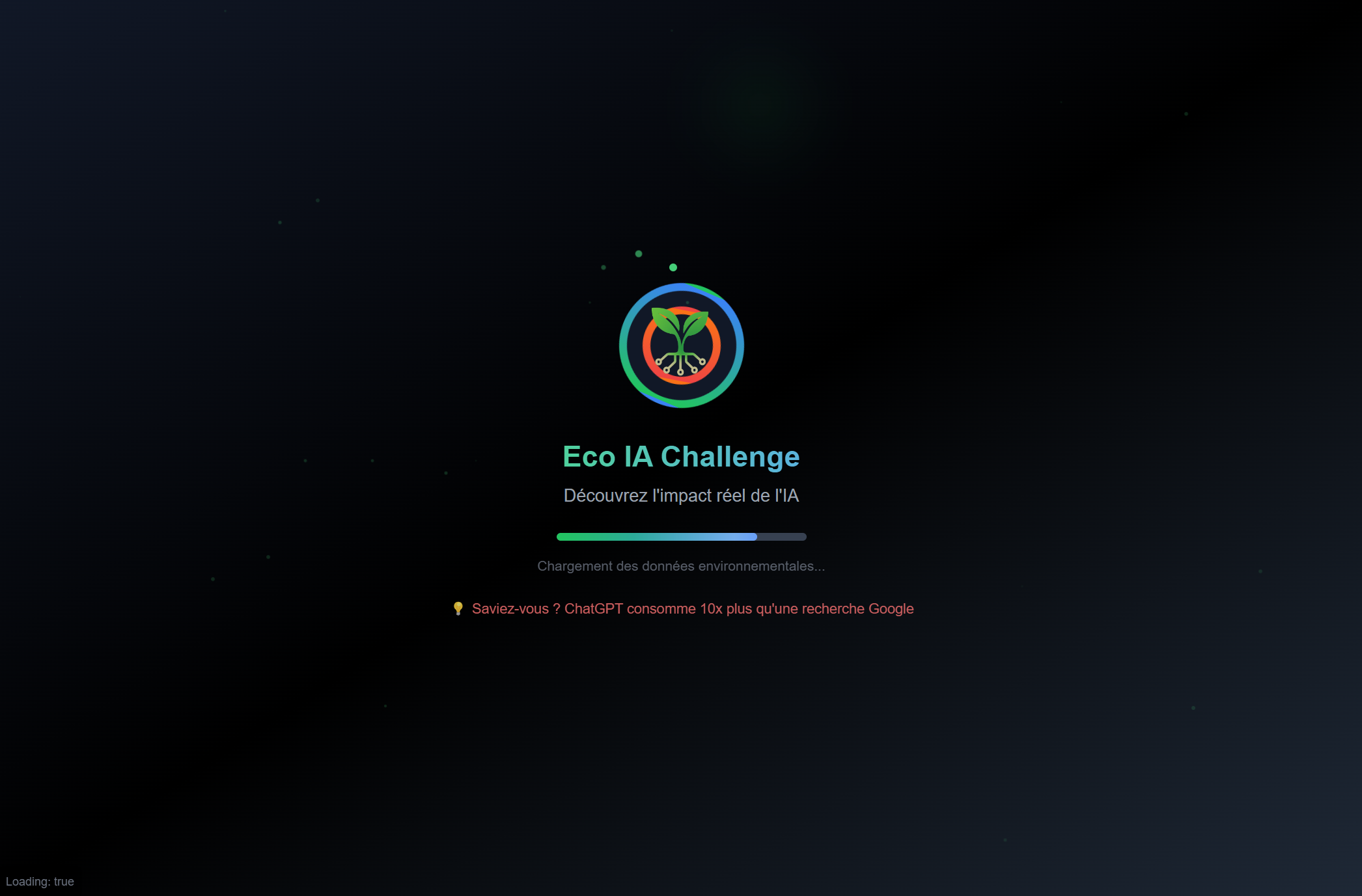
IA For Good campaign 2025 Awareness campaign on AI's environmental impact: carbon footprint calculator and a 40-question quiz. Project page → -
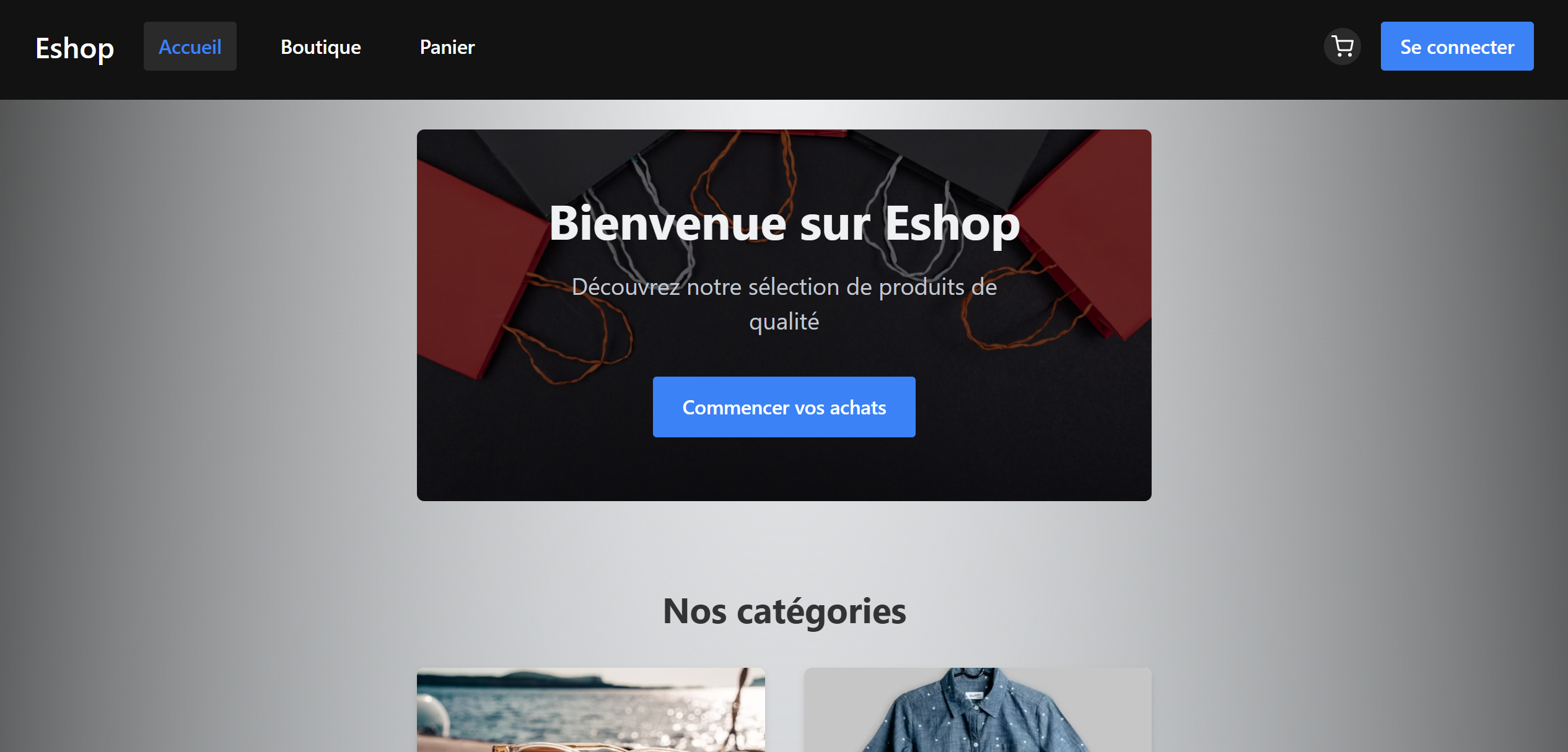
E-Shop React 2024 Complete online store: filterable catalog, cart, automated deployment to GitHub Pages. Project page → -
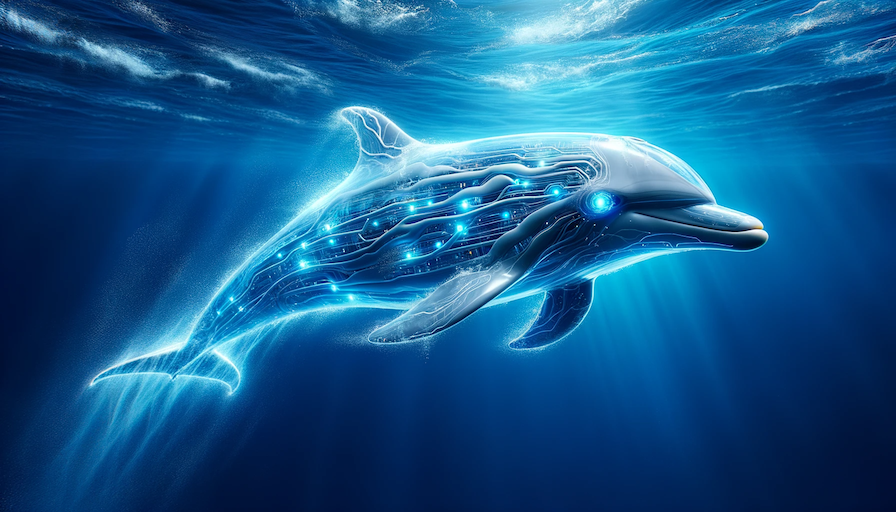
Yolo_dolphin AI 2023 Experiments around a conversational assistant in French: the prelude to the Dolphin project. Project page → -
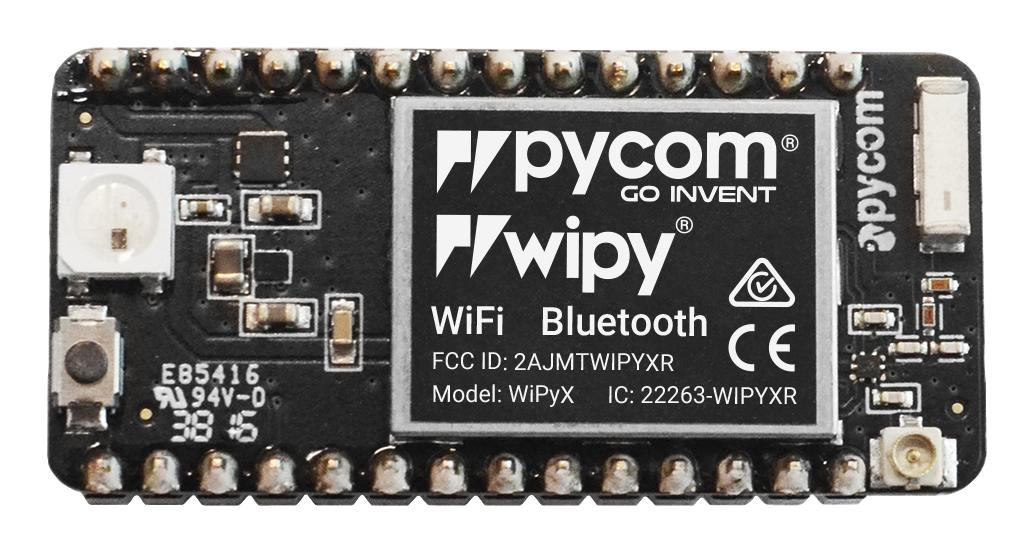
Microcontrollers 2022 ESP32 home automation, ATmega328 MIDI controller, STM32 datalogger: I2C, SPI, UART and PCB design. Project page →
Also in the catalog YPass 2025 : desktop password manager (C#, Avalonia UI, MVVM), real-time security audit. Autonomous minirobots 2023 : Arduino autonomous navigation: obstacle detection, line following, real-time decisions. Power electronics 2021 : high-voltage control panels from the BTS: redundant protections, monitoring, operator ergonomics.
AI that runs at home
No API, no cloud: models running on my own hardware, integrated into tools I write. The playground: an RTX 4090 dedicated to compute and a NAS hosting the LLM servers.
- 100% local AI assistant
Dolphin
MoltBot and Ollama (llama3.1:8b) in a container on TrueNAS Scale: persistent memory, identity files, Discord integration, systemd gateway. 72 hours of debugging for an assistant with zero cloud dependency.
72h of debugging · zero cloud dependency
- Generative AI tooling
ComfyUI custom nodes
The comfyui_prompt_enhancer pack: one image-to-prompt node using a local vision model, one text-to-text node. Auto-discovery of local LLM servers (LM Studio, Ollama), cleanup of reasoning tags from recent models.
2 nodes · works with LM Studio and Ollama
- Full diffusion pipeline
Image, video and 3D generation
ComfyUI Portable and 37 custom nodes: image diffusion (SD, FLUX), video (WAN 2.x) and image-to-3D with texture extraction (Hunyuan3D 2.1). When the wheels do not exist, CUDA compilation from source: PyTorch 2.10, CUDA 13.1, explicit architecture targeting.
37 custom nodes · compiled from source
- Inference on the 10G network
Self-hosted LLM servers
Ollama and LM Studio across multiple servers: llama3.1, Qwen, Gemma, Mixtral tested and compared. The models power homemade tools, from Dolphin to the ComfyUI nodes, through standardized local APIs.
multi-server · llama3.1 / Qwen / Gemma / Mixtral
A miniature datacenter, run solo
A 10GbE SFP+ network core (MikroTik), a TrueNAS Scale NAS on ZFS, VMs, filtering DNS, WireGuard VPN and LLM servers: real personal production, not a tutorial. It is the test bench for everything I later ship elsewhere.
The same infrastructure runs local image and video generation (ComfyUI, 37 custom nodes, CUDA compilation from source when needed) and self-hosted LLMs.
Measured values
| WAN fiber | 8 Gbps | symmetric, SFP+ |
|---|---|---|
| Measured internet throughput | 7 Gbps | after diagnosing an IPv6 binding that capped the link at 2.34 Gbps |
| Internal SMB | 6.7 Gbps | a 6 GB checkpoint copied in 7 seconds |
| Compute | RTX 4090 | dedicated to AI, display isolated on a second GPU |
Self-hosted services
- Pi-hole
- WireGuard
- Ollama / LM Studio
- Dolphin
- Online CV
From hardware to software
Before the web: electronics. RAM programmed in hexadecimal, synchronous motors, microcontrollers. That hardware foundation changes how I design software: close to the machine.
- 2025 → now Full-Stack Developer & Technical Lead Veliko
- 2025 → now Master's degree, Web Development, Software & IoT Ynov Campus Montpellier
- 2024 Web developer, club website in production Montarnaud Handball Club
- 2023 → 2025 Bachelor's degree in Computer Science Ynov Campus Montpellier
- 2019 → 2021 BTS in Digital Systems (electronics) Montpellier, France
Languages French native · English B2 · German A2
A role, a project, an architecture question?
Direct answer, no intermediary. Email is the fastest channel.
Under contract today; for September 2026, the door stays ajar.
julien.bonnet77@outlook.fr- GitHub 40TJG940
- LinkedIn Julien Bonnet
- CV Download the CV ↓ (served from the homelab)